Blog / August 2026
Best Olive Oil in the UAE (2026): An Honest Buyer's Guide
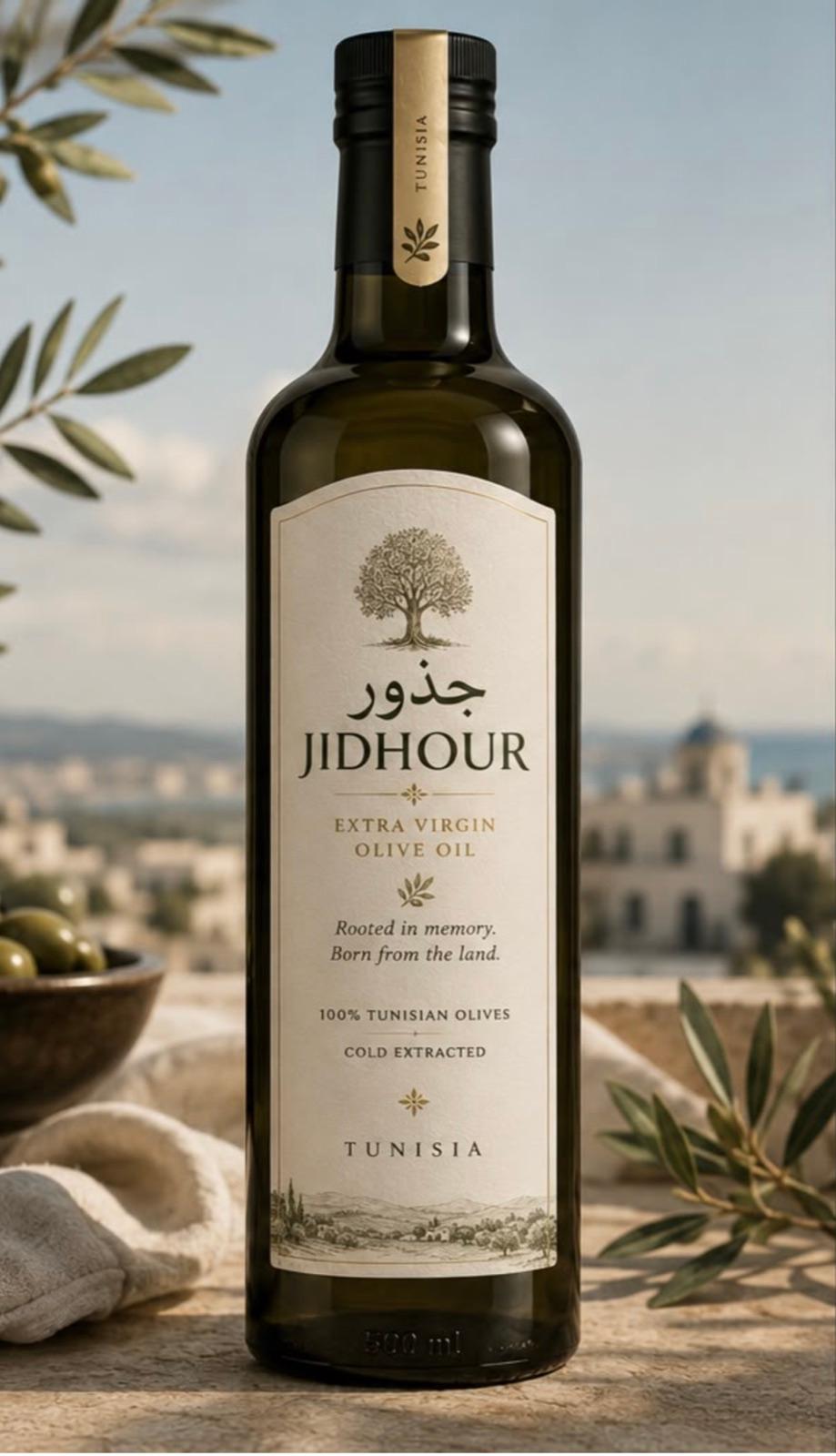
Walk the oil aisle in any Dubai or Abu Dhabi supermarket and you'll find twenty bottles that all say extra virgin, priced anywhere from 15 to 150 dirhams a litre. Most guides to 'the best olive oil in the UAE' just list whatever's on the shelf. This one does something more useful: it shows you how to judge any bottle in front of you — and is honest about where our own oil fits.
What you're actually choosing between
Almost everything on a UAE shelf falls into three groups. First, the big international blends — Spanish and Italian names you'll recognise — which are consistent, safe, and made from oil bought in bulk across many farms and countries; the back label usually says 'blend of EU and non-EU olive oils'. Second, regional favourites — Levantine, Turkish, and North African brands popular with Arab households, often better value and closer to the source. Third, single-origin bottles from a named farm or grove, which cost more and are the only category where you can know exactly what you're pouring.
The five-second shelf test
- Harvest date printed on the bottle? If not, put it back. A best-before date tells you nothing — olive oil peaks in its first year after harvest.
- Origin: a named country beats a blend; a named region or grove beats a country.
- 'Cold extracted' on the label — its absence is an answer.
- Dark glass or tin. Clear glass under supermarket lighting is slowly cooking the oil.
- Grade: 'extra virgin' is the entry ticket, not the verdict — it's tested at bottling, and an old, flat oil can still pass.
What olive oil costs in the UAE
As of mid-2026, expect roughly: large supermarket blends at AED 20–40 per 750 ml–1 L on promotion; mid-range regional extra virgins at AED 30–60 per 750 ml; and genuine single-origin, harvest-dated bottles at AED 70–120 per 500 ml. That last jump is real, and it buys something specific: traceability and freshness. If a 'single-estate' oil costs the same as a bulk blend, be suspicious of one of the two claims.
When the supermarket bottle is fine
For high-heat frying and everyday bulk cooking, a fresh mid-range blend is a perfectly rational choice — you're paying for fat, not aroma. Where origin and freshness change the experience is everything you taste raw: salads, labneh, hummus, warm bread, finishing a grill. Many UAE households sensibly run two bottles — a workhorse and a finisher.
Where JIDHOUR fits — our honest pitch
JIDHOUR is in the third category and makes no claim to be anything else: one family grove in a Tunisian village, hand-picked, cold-extracted within hours, November 2025 harvest printed on every label, dark glass, shipped to the UAE with AED pricing and free delivery over AED 160. If you've been buying blends and want to taste what a fresh single-origin actually does to a plate of hummus, our 250 ml bottle exists precisely for that first experiment.
The best olive oil in the UAE isn't a brand. It's the freshest, most traceable bottle your budget allows — used where you can actually taste it.
Whatever you buy: check the harvest date, keep it away from the stove, and finish it while it's young. And if a bottle makes you cough gently at the back of the throat — that's not a defect, that's the good stuff.
Taste what the blog is talking about — single-grove Tunisian extra virgin, cold-extracted within hours of harvest.
Shop the 500 ml bottleKeep reading
Best Olive Oil in Saudi Arabia: Al Jouf, Imports, and What to Buy
Saudi Arabia grows world-class olive oil in Al Jouf and imports everything else. How Saudi-grown, regional, and single-origin oils compare, realistic KSA prices, and the shelf test that works on any bottle.
ReadHow to Store Olive Oil So It Stays Alive
Olive oil has four enemies: light, heat, air, and time. Where to keep the bottle, how long an opened bottle really lasts, why the stove-side cruet is a mistake — and what 'past its best' actually tastes like.
ReadHow to Choose a Good Olive Oil: A Label-Reading Guide
Most olive oil labels are designed to be skimmed. Here are the six things to actually check — harvest date, origin, extraction, bottle, grade, and price — and the red flags that mean you should put the bottle back.
Read