Blog / August 2026
Olive Oil Health Benefits: What the Pepper in Your Throat Is Telling You
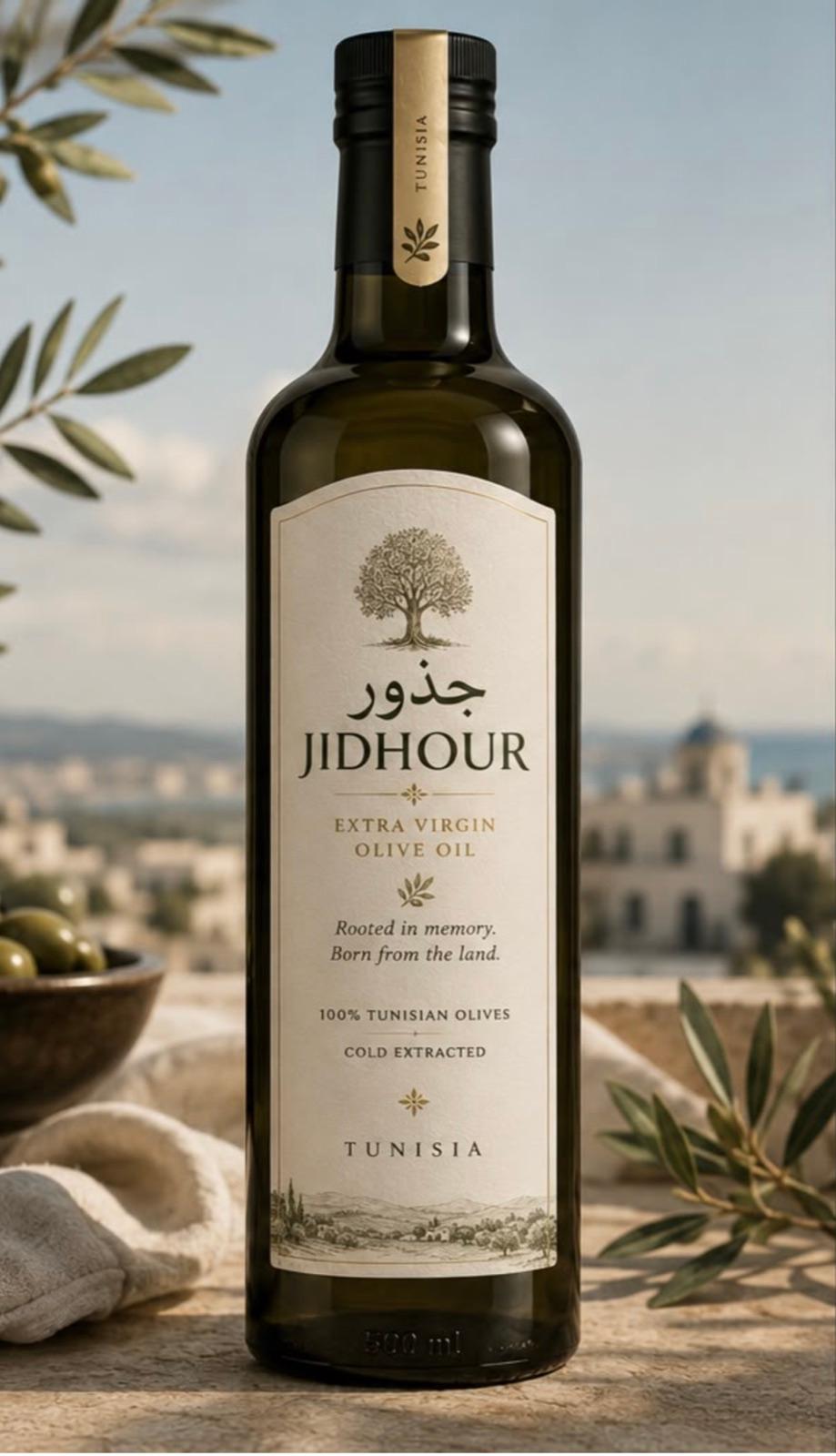
Swallow a spoonful of genuinely fresh extra virgin olive oil and you'll feel a peppery catch at the back of your throat — sometimes sharp enough to make you cough. In our village, that cough is a compliment to the mill. It is also, as it happens, the most honest health label an olive oil can carry.
The short version
Extra virgin olive oil is the backbone fat of the Mediterranean diet, one of the most-studied ways of eating in the world. Its benefits are usually attributed to two things: a high share of monounsaturated fat (mainly oleic acid), and a family of minor compounds — polyphenols — that refined oils lose in processing. This is general food knowledge, not medical advice; no single food is a cure for anything. But it is worth understanding what you are actually buying.
Polyphenols: the part that fades
Polyphenols such as oleocanthal, oleacein, hydroxytyrosol and tyrosol are the oil's own protective chemistry — antioxidants the olive makes for itself. Oleocanthal is the one you can feel: it stings the same throat receptors as ibuprofen, which is why researchers noticed it in the first place. The bitterness on your tongue and the pepper in your throat are not flaws to breed out; they are the polyphenols announcing themselves.
Here is the part the supermarket shelf doesn't tell you: polyphenol content is not fixed. It starts falling the moment the olive leaves the branch, drops with heat during extraction, and keeps declining slowly in the bottle — faster in clear glass under shop lights. Two bottles both legally labelled 'extra virgin' can differ several-fold in what's actually left in them.
What decides how much you get
- Time from tree to press — hours preserve polyphenols, days destroy them. Our olives are pressed the same day they are picked.
- Cold extraction — keeping the paste under 27°C sacrifices yield to protect the delicate compounds. Heat is cheaper; that's why bulk oil uses it.
- Olive variety — Tunisia's Chetoui, for example, is known for unusually high polyphenol counts.
- Harvest timing — earlier, greener olives carry more polyphenols than fully ripe ones.
- Storage — dark glass, a cool cupboard, and a bottle you finish within months of opening.
How to taste for it
You don't need a lab. Pour a spoonful, warm it in your palm, and taste: fresh grass and artichoke in the nose, a leafy bitterness on the tongue, and that unmistakable pepper on the swallow. Flat, buttery, entirely comfortable oil is telling you its polyphenols are mostly gone — however green the label is.
Bitterness and pepper are not acquired tastes. They are the taste of an olive that was picked on time and pressed the same day.
That is the whole reason we print the harvest date on every JIDHOUR bottle and ship a single November pressing: the health story and the freshness story are the same story.
Taste what the blog is talking about — single-grove Tunisian extra virgin, cold-extracted within hours of harvest.
Shop the 500 ml bottleKeep reading
Best Olive Oil in Saudi Arabia: Al Jouf, Imports, and What to Buy
Saudi Arabia grows world-class olive oil in Al Jouf and imports everything else. How Saudi-grown, regional, and single-origin oils compare, realistic KSA prices, and the shelf test that works on any bottle.
ReadBest Olive Oil in the UAE (2026): An Honest Buyer's Guide
What actually separates the olive oils on UAE shelves — harvest dates, origin lines, cold extraction — plus realistic Dubai prices, when a supermarket bottle is fine, and when it's worth ordering single-origin.
ReadHow to Store Olive Oil So It Stays Alive
Olive oil has four enemies: light, heat, air, and time. Where to keep the bottle, how long an opened bottle really lasts, why the stove-side cruet is a mistake — and what 'past its best' actually tastes like.
Read